Posts

Showing posts from August, 2021

America Cryo - Reduce Narcotics with Cold Compression

  Injury, surgeries, and muscle strain happen to almost everyone at some point or another – athletes and average people alike. Whether you sustain a serious injury (like an ACL tear) while engaged in an endurance sport like cycling, running, or swimming , or you pull a muscle in your back taking the garbage out, you’ll need some form of pain relief. Strong medications are effective, but they also bring with them unwanted side effects like fatigue, stomach upset, even potential addiction. No one has time for life to stop while dealing with the grogginess produced by powerful pain pills. Many times people assume this is their only option other than just pushing through the pain and dealing with it until their injury heals. This simply isn’t the case. A Better Pain Relief Method The old reliable RICE (rest, ice, compression, elevation) method of healing from an injury or surgery certainly works, but getting an ice pack to stay on an injury can be a challenge depending upon the body pa...

Laser - Equine Laser Therapy Machine | Laser Horse Therapy

Image
  LASER is an acronym for Light Amplification by Stimulated Emission of Radiation . This particular light has special properties that use low energy light and when applied to acute injuries or chronic ailments, have been proven to reduce inflammation and increase tissue healing. The reduction in inflammation provides pain relief for your horse without the use of drugs or invasive procedures. The LASER loosens up the muscle, stimulating blood flow, and allows the muscle to eliminate toxic waste. LASER therapy is being used increasingly by veterinarians, equine physical and massage therapists, and private horse owners who want to shorten the healing time of injuries. Lameness in horses is common and is often the result of lower back pain. Issues in the horse’s bones or muscles are sometimes to blame for lameness or the ability to perform. LASER therapy is versatile and is used on muscles, ligaments, tendons, bones, nerves, and skin. Equine veterinarians use ultrasound to diagnose te...

Recover Faster Between Competitions with Cryotherapy and Compression

  As an athlete you know that few things are more irritating than an injury that could stop you from competing in the next race. Whether you’re prone to ankle problems, shin splints, stress fractures, or pulled muscles, competing on a painful , swollen, or irritated injury site is not only uncomfortable but it can lead to more serious problems that could put you on the sidelines for an extended period of time. Once you’re forced out of training, even for a short time, that stamina level you’ve worked so hard to build up could take a dive, and quickly. Research shows that it only takes a matter of days before blood enzymes that are indicators of endurance begin to fall drastically if training is interrupted. This means it’s in your best interest to reduce recovery time and coddle problem areas so that they don’t turn into a bigger issue. A New Path to Recovery Everyone knows that RICE is the recommended course of action for pain or injury. Anyone who’s had to use this method, howeve...

Cold Compression for Horse | Cold Compression Therapy Equine - America Cryo

Image
  Cold Compression therapy combines two standardized processes, cryotherapy, and compression therapy, into one superior and innovative treatment option widely used in equine veterinarian practices and throughout the equine industry. Cold compression therapy targets a specific injured area by applying either static or dynamic pressure at the injury site. When paired with ice water, at a therapeutic temperature, the body's internal response increases and directs blood flow away from the extremities and toward the body's core. This response creates reduced inflammation and decreased pain. Many equine vets that practice natural horse care find substantial pain relief with a regimen of cryotherapy coupled with compression therapy without medication use. With many horse supplies available, such as slaves and horse supplements, it is vital to seek an equine veterinarian's advice for an optimal care plan. The best horse equipment or even top-notch training can be useless without u...

America Cryo - Equine Cold Compression Therapy | Cold Compression for Horses

Image
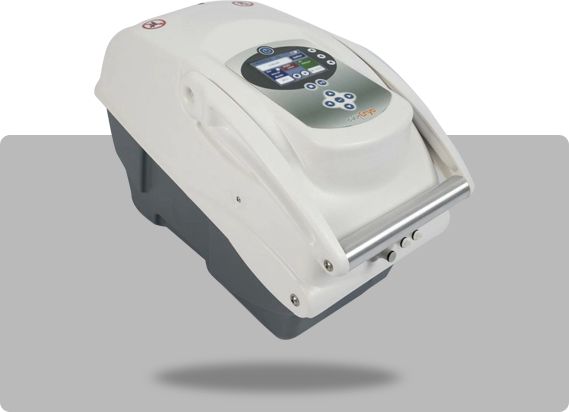
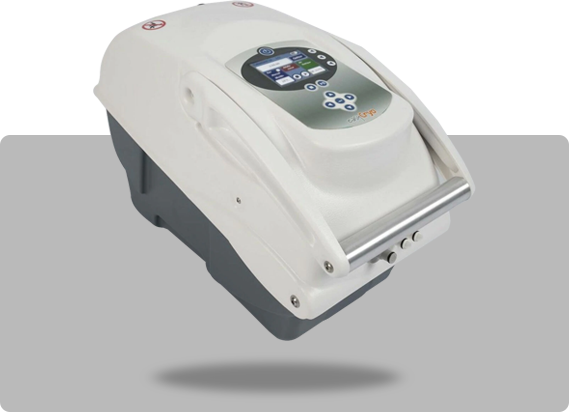
    Innovative therapies, designed to speed healing, relieve pain and return your horse to a pain-free and active lifestyle. Our Products America Cryo offers the best selection of equine therapy devices . Approved by veterinarians, professional riders, and equine physical therapists, our products provide preventive care, pain relief and recovery therapy. Cold Compression  The development of the Portable Compression Cryotherapy System has given EasyCryo an innovative therapeutic edge over conventional therapy systems in utilizing cold therapy and intermittent compression technology. Combined with dual action wraps this system offers a complete therapy solution utilizing the R.I.C.E. therapy concept of rest, ice, compression and elevation. Ice cold water cycles through lightweight, medical-grade wraps with 15-75 mmhg compression levels to the affected areas. Both ice water cycle time and compression levels are user controlled on the system's control panel. The system works ...

Why Cold Should Be Used Before Heat for Injury - America Cryo

    When you sustain an injury like a sprain, muscle pull or tear, or contusion (bruise), you may be confused about when to apply cold and when to apply heat, as well as the reasoning behind the timing of each of these therapies. There is a rhyme and reason to the order and mechanisms behind the application of cold and heat for injury . Which to Apply First Cold should always be used first, and can be used on muscle strains or pulls, sprains, fractures, and contusions. Ice should be applied in conjunction with compression and elevation throughout the first 48-72 hours depending upon how long the swelling lasts. The reason for cooling an injury before applying heat is multifold. Injuries like a muscle pull can create tiny tears throughout the tissues, and contusions are made up of many tiny broken blood vessels. Blood rushes to the site immediately following an injury, creating inflammation. Cold reduces blood flow, which helps to stop the internal bleeding. It also deadens ner...

America Cryo - Why You Need Cryotherapy as Part of Your Workout Regimen

  Whether you’re a professional athlete or a regular at the local gym, you know that protecting your body from injury is vital in order to continue training at your desired level. Muscle strains, pulls, and stress injuries are all too common. Research has found an injury rate of approximately 20-80% among runners alone, and a similar rate in those who participate in CrossFit training. These injuries can delay your training as you take time out to heal and then even more time to build back up to your previous stamina level. Ways to Protect Yourself from Injury.  There are some steps you can take to minimize the chances of sustaining damage while working out. These include: Do dynamic stretches before and after a workout session: increasing flexibility and warming the muscles reduces the chances of tearing and strains during your workout. Stretching also increases blood flow , which delivers vital oxygen to muscles, which is needed to power your activities. Start out slow: grad...